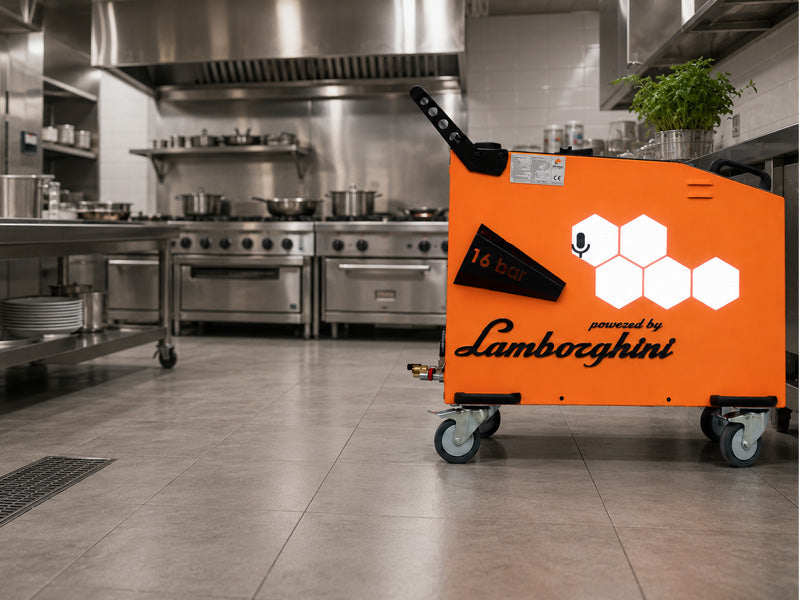
Wenn die meisten Menschen an einen Dampfreiniger denken, haben sie einen einzigen Anwendungsfall im Kopf – vielleicht die Autopflege oder die Auffrischung eines Hotelzimmers. Doch professionelle Trockendampftechnologie, wie die von Fortador entwickelten Systeme, ist im Grunde eine industrielle Reinigungsplattform und kein zweckgebundenes Werkzeug. Dieselbe Kerntechnologie – überhitzter Dampf mit geringem Feuchtigkeitsgehalt, der unter hohem Druck abgegeben wird – löst Reinigungs-, Desinfektions- und Wartungsprobleme in mindestens sieben sehr unterschiedlichen gewerblichen Sektoren.
Genau diese Vielseitigkeit ist der Grund dafür, dass die Dampfreinigung still und leise zu einer der am schnellsten wachsenden Kategorien bei gewerblichen Geräten geworden ist. Die Trockendampftechnologie kommt ohne Chemikalien aus, ist wassersparend und effektiv gegen alles – von Fett bis hin zu Bakterien. Sie wird zunehmend zum Standard für Unternehmen, die eine starke Reinigungsleistung benötigen, ohne die Kosten, den Abfall oder das Sicherheitsrisiko chemischer Lösungsmittel in Kauf zu nehmen.
Im Folgenden schlüsseln wir genau auf, wie Fortador-Dampfreiniger in sieben Branchen eingesetzt werden – und warum sich jede dieser Branchen für Dampf anstelle der herkömmlichen chemischen Reinigung entscheidet.
Warum Unternehmen auf Trockendampfreinigung umsteigen
Bevor wir auf die branchenspezifischen Anwendungsfälle eingehen, lohnt es sich zu verstehen, warum Dampf zur bevorzugten Methode für die professionelle Reinigung in so vielen Sektoren geworden ist.
Trockendampfreiniger erzeugen Dampf mit sehr geringem Feuchtigkeitsgehalt bei Temperaturen weit über dem Siedepunkt. Diese Kombination ermöglicht es dem Dampf:
- Fett und Schmutz auf molekularer Ebene zu lösen, anstatt ihn nur abzuwischen
- Bakterien, Schimmel und Viren abzutöten, ohne chemische Desinfektionsmittel
- Wasser- und Chemikalienkosten zu senken, da die meisten Geräte nur mit Leitungswasser betrieben werden
- Stillstandszeiten von Anlagen zu reduzieren, da Oberflächen nach der Reinigung fast sofort trocknen
- Strengere Hygiene- und Umweltvorschriften einzuhalten, insbesondere in Branchen mit Bezug zu Lebensmitteln und dem Gesundheitswesen
Dank dieser Prinzipien lassen sich Fortador-Geräte an völlig unterschiedliche Umgebungen anpassen – von der Fahrzeugaufbereitungshalle bis zur Lebensmittelproduktionslinie. Hier erfahren Sie, wie das in den einzelnen Branchen aussieht.
1. Fahrzeugaufbereitung
In der Fahrzeugaufbereitung hat sich die professionelle Dampfreinigung erstmals bewährt, und sie bleibt einer der Kernmärkte von Fortador. Mobile Aufbereiter und stationäre Werkstätten nutzen Fortador-Dampfsysteme zur Reinigung von Innenräumen, Motorräumen, Radkästen und Außenlacken – und das alles ohne Abwässer, Wasserverschwendung oder die Risiken für die Oberflächen, die herkömmliche Hochdruckreiniger mit sich bringen.
Da Dampf im Vergleich zur Reinigung mit Schlauch und Eimer nur wenig bis gar kein Wasser benötigt, ist er auch eine praktische Lösung für Aufbereiter, die unter Wassernutzungsbeschränkungen arbeiten oder auf mobilen Routen tätig sind, wo der Wasserzugang begrenzt ist.
Typische Anwendungen: Desinfektion von Polstern und Teppichen, Motorwäsche, Vorbereitung für die Lederpflege, Geruchsbeseitigung, Reinigung von Felgen und Unterboden.
2. Industrie & Fertigung
In Fertigungsumgebungen ist Reinigung nicht nur eine optische Frage, sondern betriebsrelevant. Fett, Ölrückstände und Schimmelbildung auf Maschinen, Böden und Vorrichtungen können zu langsameren Gerätezyklen, Sicherheitsrisiken und Compliance-Problemen führen. Industrielle Trockendampfreiniger werden in Fertigungshallen häufig eingesetzt, gerade weil sie empfindliche Elektronik und Maschinen reinigen, ohne korrosive chemische Rückstände zu hinterlassen.
Die industrietauglichen Systeme von Fortador sind für diese Art von kontinuierlichem Hochleistungsbetrieb gebaut – von der routinemäßigen Maschinenwartung bis hin zur Entfernung von Graffiti und Schimmel in Produktionshallen.
Typische Anwendungen: Maschinenentfettung, Entfernung von Schimmel und Mehltau, Graffitientfernung, Reinigung von Böden und Vorrichtungen.
3. Lebensmittel- & Getränkeverarbeitung
Lebensmittelverarbeitende Betriebe unterliegen einigen der strengsten Hygienestandards aller Branchen, und chemische Rückstände sind ein echtes Haftungsrisiko, nicht nur ein Ärgernis. Da Trockendampf desinfiziert, ohne einen chemischen Film zu hinterlassen, ist er zu einem Standardwerkzeug für die Reinigung von Produktionslinien, Förderbändern und lebensmittelberührenden Geräten geworden, während die Anlagen gleichzeitig die Anforderungen der Lebensmittelsicherheitsprotokolle erfüllen.
Fortador-Dampfsysteme lassen sich in diesem Sektor hervorragend mit Reinigungsanwendungen für Förderbänder kombinieren und zielen auf die hartnäckigen Rückstände ab, die Verlangsamungen und Kontaminationsrisiken in Produktionslinien verursachen.
Typische Anwendungen: Reinigung von Förderbändern, Desinfektion von Verarbeitungsanlagen, Reinigung von Misch- und Lagertanks, Abfluss- und Bodenreinigung.
4. Gebäudereinigung & Facility Management
Teams für die gewerbliche Gebäudereinigung – von Bürohochhäusern bis hin zu Einkaufszentren – benötigen eine Reinigungsmethode, die schnell ist, wenig Unordnung verursacht und in Gegenwart vieler Menschen sicher ist. Die Dampfreinigung erfüllt diese Anforderungen perfekt: keine nassen Böden als Rutschgefahr, kein chemischer Geruch in der Luft und effektive Ergebnisse bei Oberflächen mit häufigem Kontakt, Polstern und Bodenbelägen.
Für Reinigungsdienstleister, die mehrere Kunden betreuen, reduziert die Fortador-Ausrüstung zudem die Anzahl der chemischen Produkte, die eingekauft, gelagert und transportiert werden müssen – das vereinfacht die Logistik bei einem großen Kundenstamm.
Typische Anwendungen: Polster- und Teppichreinigung, Desinfektion von Kontaktflächen, Bodenpflege, Aufzugs- und Lobbyreinigung.
5. Leergutautomaten
Dies ist ein neuerer, aber schnell wachsender Anwendungsfall. Leergutautomaten (Reverse Vending Machines, RVMs) sammeln klebrige Rückstände von Getränkeverpackungen an – eine Hauptursache für Staus, Sensorausfälle und ungeplante Ausfallzeiten. Die regelmäßige Dampfreinigung entfernt diese Ablagerungen, ohne die korrosive Wirkung von chemischen Reinigern auf empfindliche interne Sensoren und Mechanismen.
Da Pfandsysteme in ganz Europa und darüber hinaus expandieren, ist die Betriebszeit zu einem direkten Umsatzfaktor für Betreiber geworden – was die präventive Dampfreinigung von RVMs zu einem immer häufigeren Posten in Wartungsbudgets macht.
Typische Anwendungen: Entfernung von internen Rückständen, Reinigung von Sensoren und Mechanismen, Stauprävention, routinemäßige vorbeugende Wartung.
6. Schifffahrt & Fuhrpark
Boote, Lastwagen und Fuhrparkfahrzeuge sind ständig Salz, Schmutz und schwerem Fett ausgesetzt – Bedingungen, die Materialien bei aggressiver chemischer Reinigung schneller verschleißen lassen. Dampf bietet eine schonendere, aber dennoch hochwirksame Alternative, die Ablagerungen auf Rümpfen, in Kabinen und Ladebereichen entfernt, ohne Korrosion zu beschleunigen oder Oberflächen zu beschädigen.
Für Flottenbetreiber können die Wassereinsparungen in großem Maßstab erheblich sein, insbesondere im Vergleich zu herkömmlichen Hochdruckwaschanlagen, die große Mengen Wasser pro Fahrzeug verbrauchen.
Typische Anwendungen: Reinigung von Rümpfen und Kabinen, Desinfektion von Ladebereichen, Entfettung von Motorräumen, Polster- und Innenraumreinigung.
7. HoReCa (Hotellerie, Gastronomie & Catering)
Das Gastgewerbe ist eine der sichtbarsten Branchen für die Dampfreinigung, und das aus gutem Grund: Gäste achten auf Sauberkeit, und Gesundheitsinspektoren kontrollieren sie. Fortador-Dampfsysteme werden in Hotels, Restaurants und Catering-Betrieben eingesetzt, um Küchen, HLK-Systeme, Polster und Betten zu desinfizieren – alles ohne Duftstoffe oder chemische Rückstände, die das Gästeerlebnis beeinträchtigen könnten.
Insbesondere Restaurantküchen profitieren von der Fähigkeit des Dampfes, Fett auf Abzugshauben, Grills und hinter schwer zugänglichen Geräten zu lösen, während Hotels ihn für die Zimmerreinigung zwischen Gästen nutzen, ohne lange Trocknungszeiten abwarten zu müssen.
Typische Anwendungen: Entfettung von Küchen und Abzugshauben, Desinfektion von Polstern und Matratzen, HLK-Reinigung, Reinigung von Gästezimmern bei Gästewechsel.
Eine Plattform, jede Branche
Der rote Faden in allen sieben Branchen ist einfach: Wo immer ein Unternehmen eine gründliche, zuverlässige Reinigung ohne die Kosten, den Abfall oder das Risiko chemischer Produkte benötigt, liefert die Trockendampftechnologie das Ergebnis. Fortador baut Geräte speziell für die Anforderungen des kontinuierlichen gewerblichen und industriellen Einsatzes – keine umgerüsteten Konsumgüter –, weshalb dieselbe zugrunde liegende Plattform vom einzelnen Aufbereitungswagen bis zur kompletten Produktionsanlage skalierbar ist.
Wenn Sie sich nicht sicher sind, welches Fortador-System zu Ihrer Branche passt, entdecken Sie unsere gesamte Produktpalette oder kontaktieren Sie unser Team für eine maßgeschneiderte Empfehlung.
Häufig gestellte Fragen
Ist die Trockendampfreinigung sicher für empfindliche Geräte und Elektronik? Ja. Da Trockendampf einen sehr geringen Feuchtigkeitsgehalt aufweist, wird er häufig an Maschinen und Geräten eingesetzt, bei denen überschüssiges Wasser ein Risiko darstellen würde – sofern er korrekt angewendet wird und die Geräte nicht eingetaucht oder unsachgemäß exponiert werden.
Wie viel Wasser verbraucht ein gewerblicher Dampfreiniger im Vergleich zur Hochdruckreinigung? Dampfreiniger verbrauchen in der Regel einen Bruchteil des Wassers von Hochdruckreinigern, da die Reinigungskraft aus Hitze und Druck statt aus Wassermenge resultiert.
Kann ein Fortador-Gerät in mehreren Branchen eingesetzt werden? Viele Fortador-Modelle sind vielseitig genug, um zwischen verschiedenen Anwendungen zu wechseln – zum Beispiel kann eine Einheit, die unter der Woche für die Fahrzeugaufbereitung genutzt wird, je nach Aufsätzen und Spezifikationen auch für die Gebäudereinigung oder industrielle Reinigungsaufgaben eingesetzt werden.
Erfüllt die Dampfreinigung Standards zur Lebensmittelsicherheit und Hygiene-Compliance? Trockendampf wird in der Lebensmittelverarbeitung und Gastronomie gerade deshalb häufig eingesetzt, weil er desinfiziert, ohne chemische Rückstände zu hinterlassen, was die Einhaltung von Vorschriften für lebensmittelberührende Oberflächen und Hygiene unterstützt – wobei spezifische Anforderungen je nach Region variieren können und anhand lokaler Standards überprüft werden sollten.

Hinterlasse einen Kommentar
Diese Website ist durch hCaptcha geschützt und es gelten die allgemeinen Geschäftsbedingungen und Datenschutzbestimmungen von hCaptcha.