
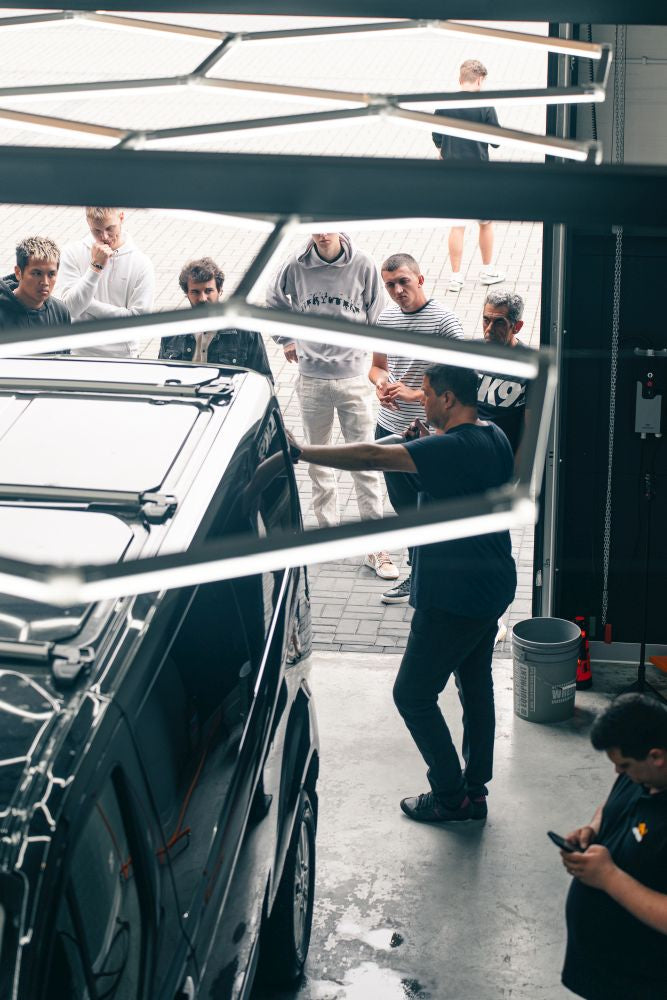
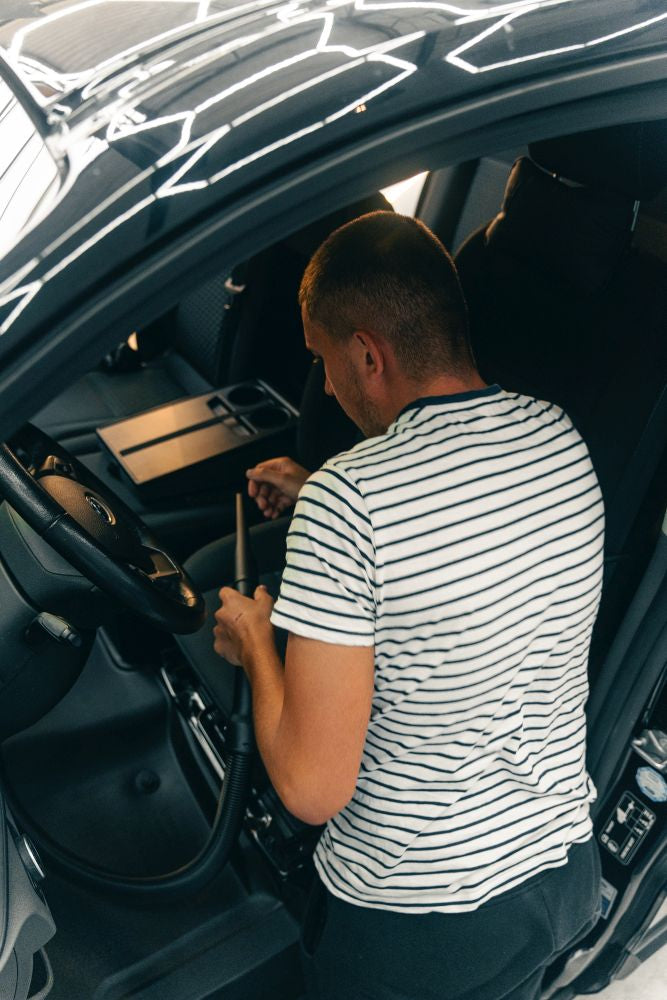
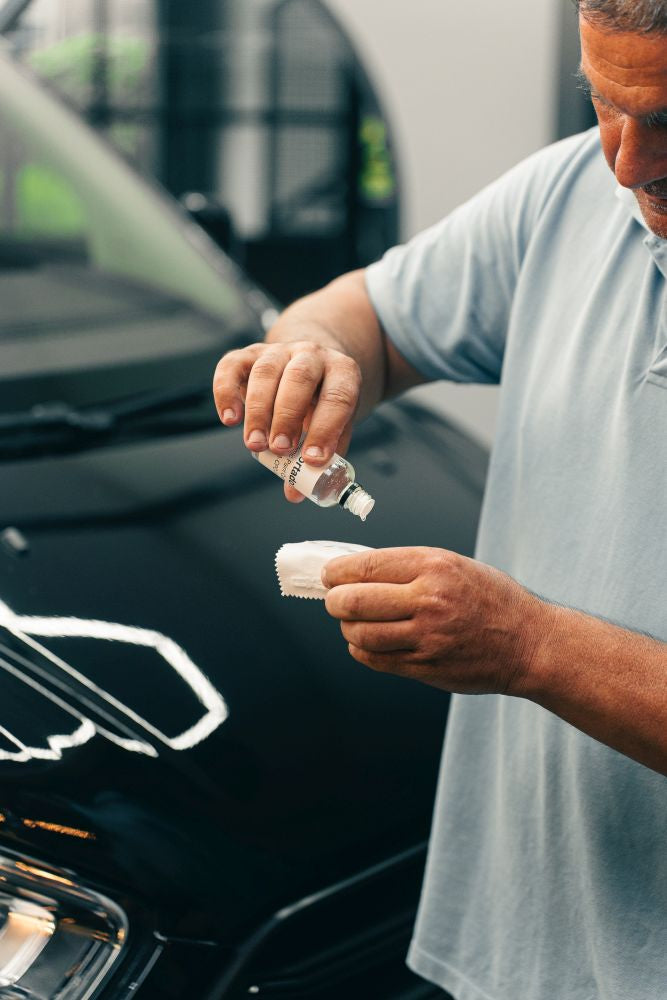
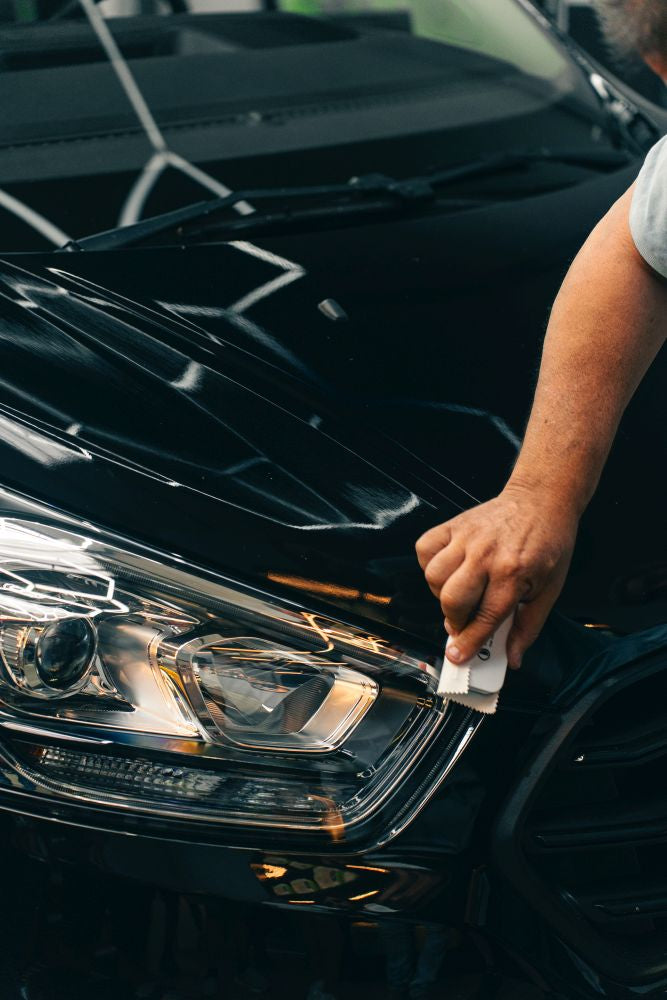
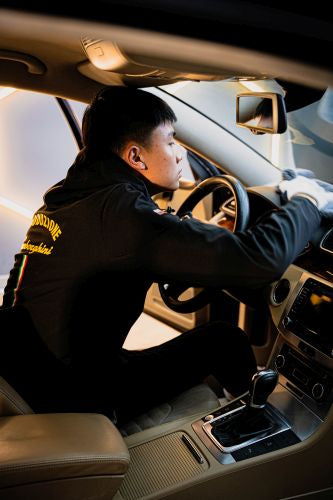
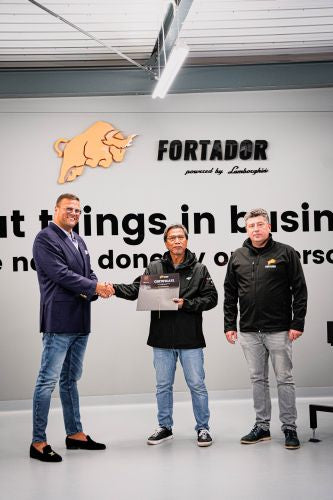
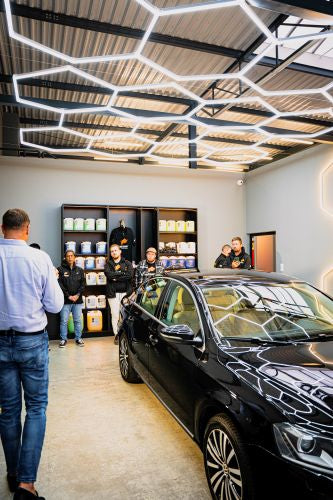
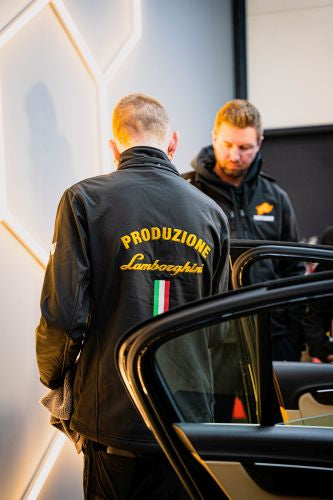
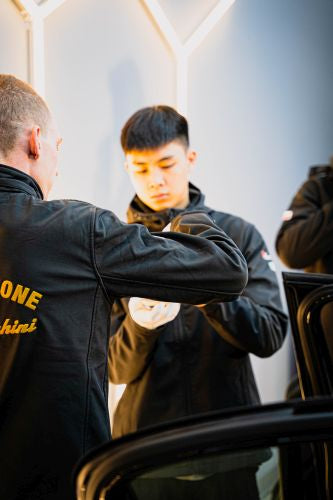
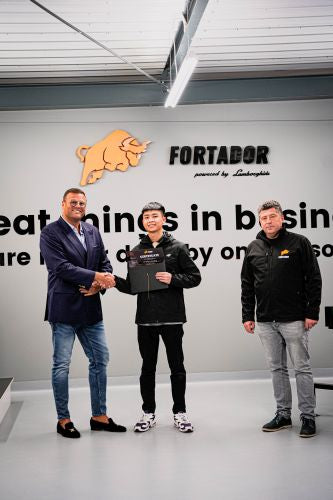
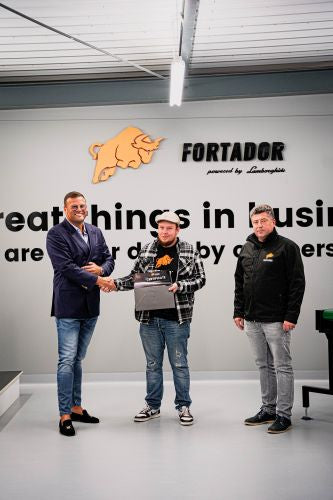
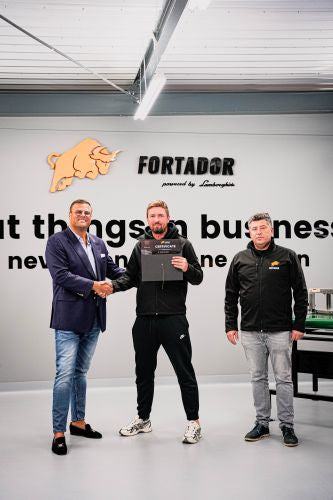
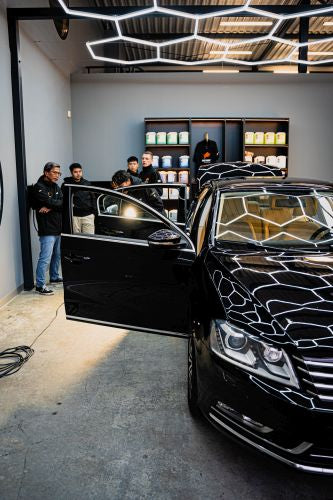
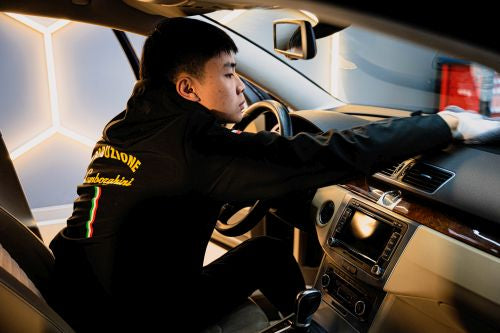
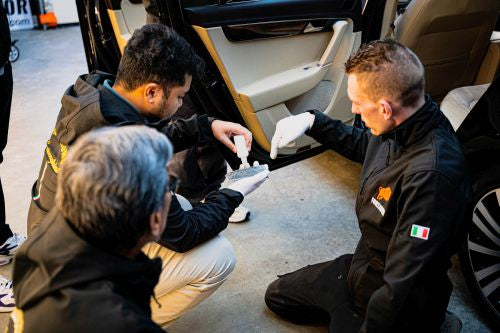
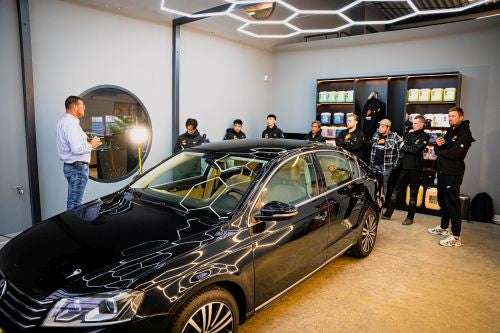
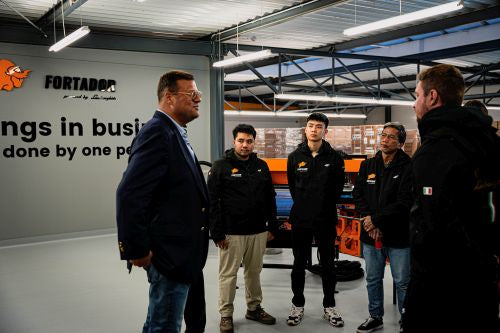
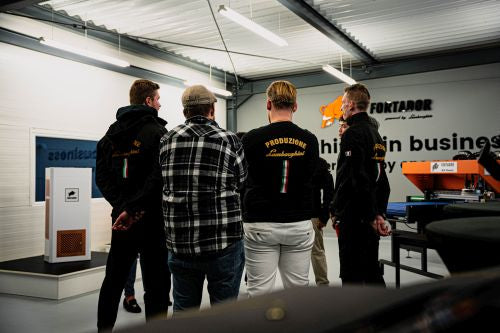


Fortador Exclusive Detailing Training
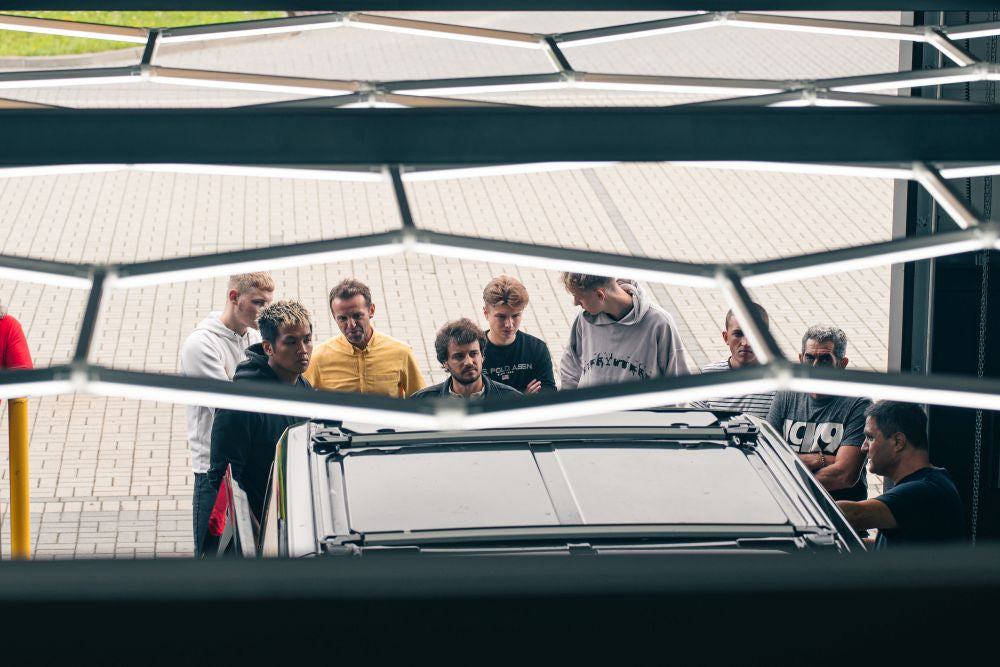
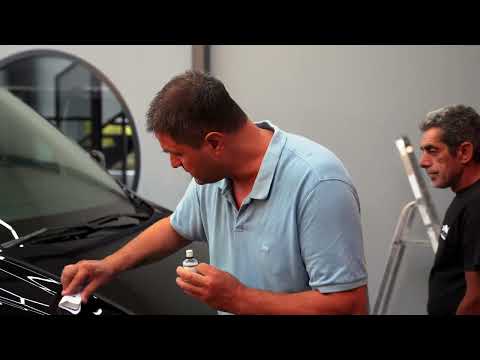
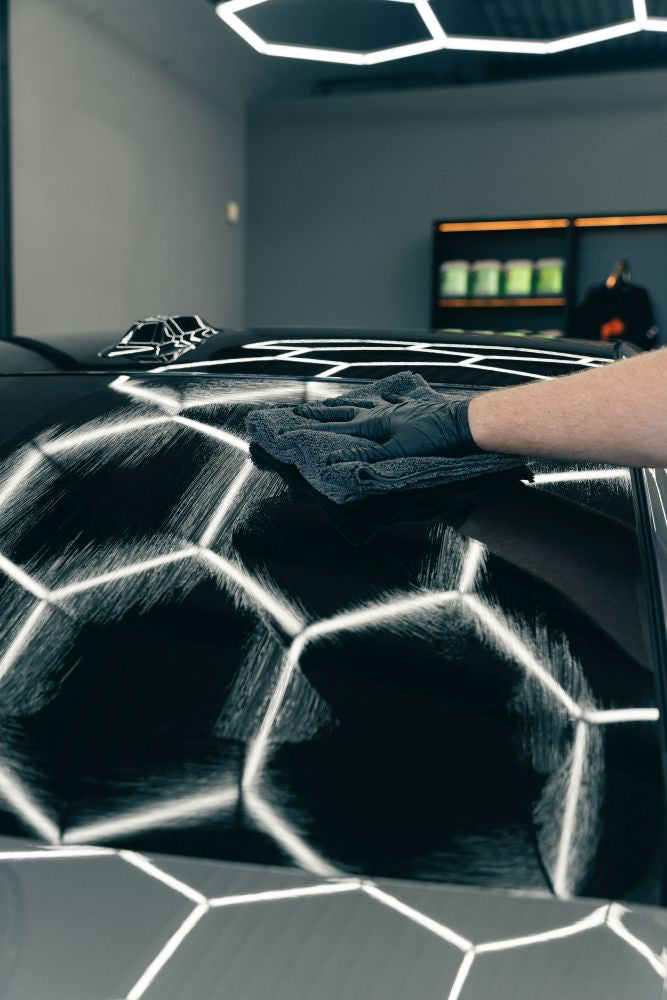
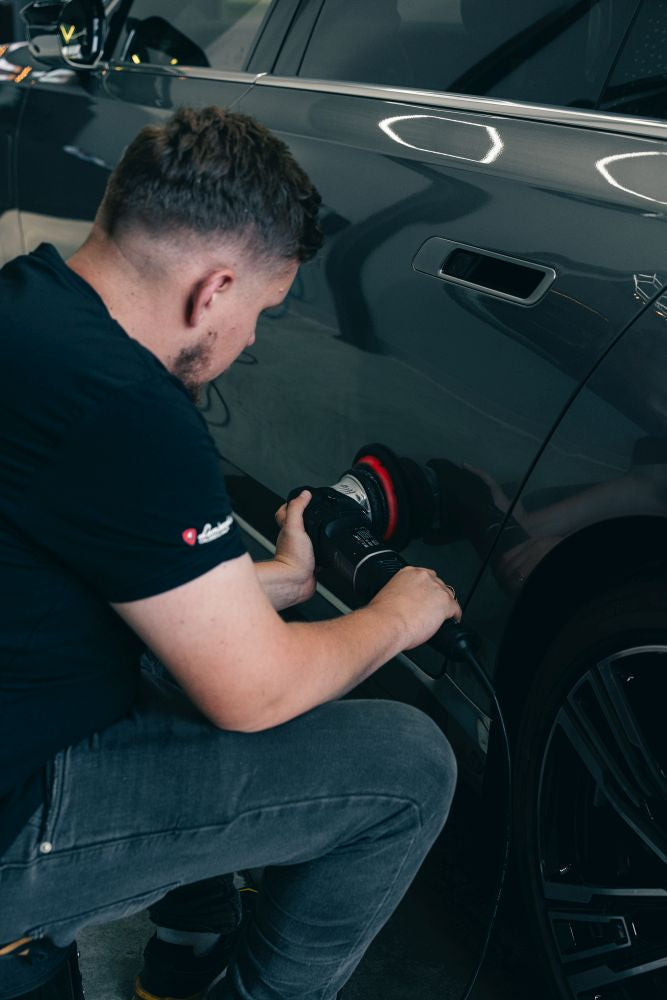
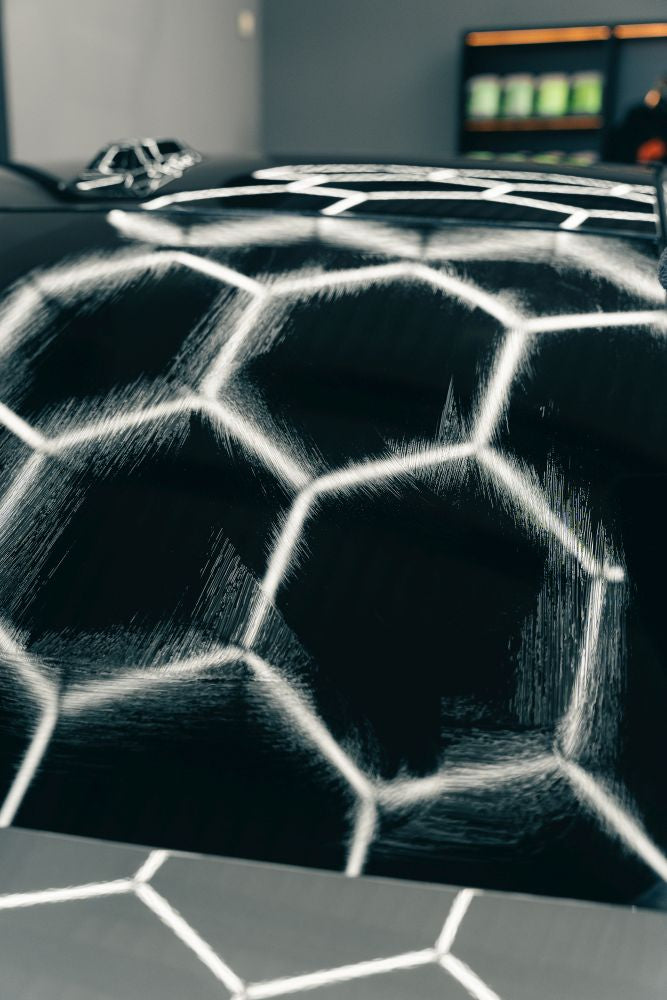
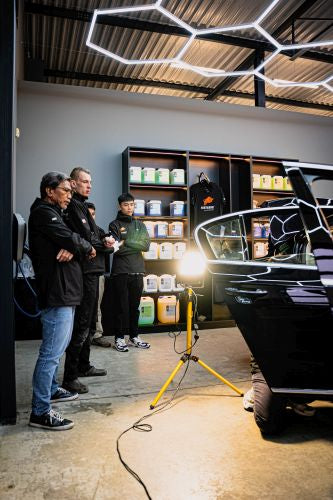
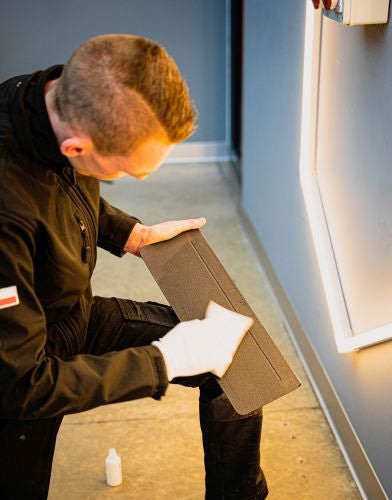
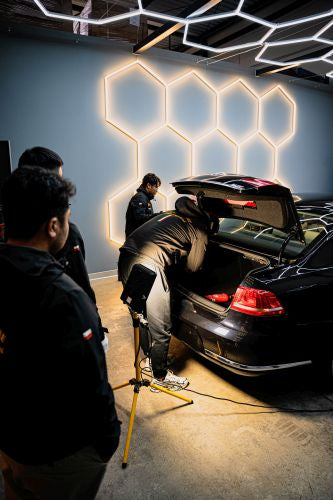
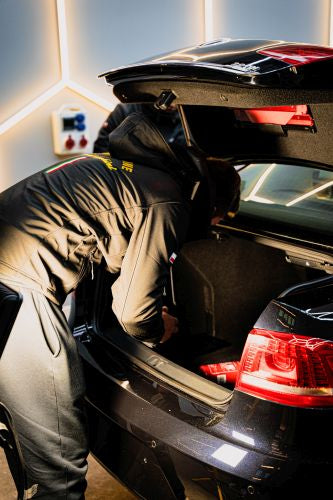
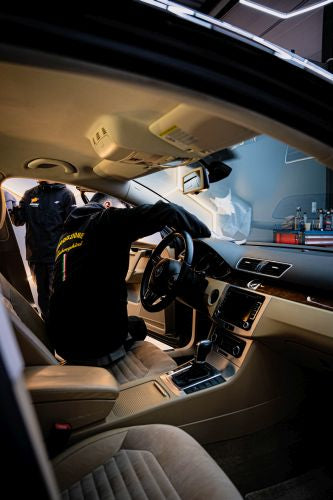
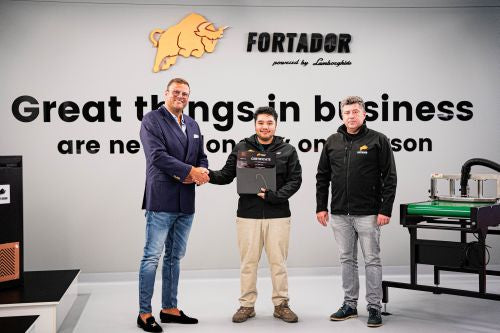
Unlock your full potential with our Comprehensive Car Detailing Training Program, priced at €1250. This intensive five-day course is designed for both beginners and seasoned professionals eager to elevate their detailing skills.
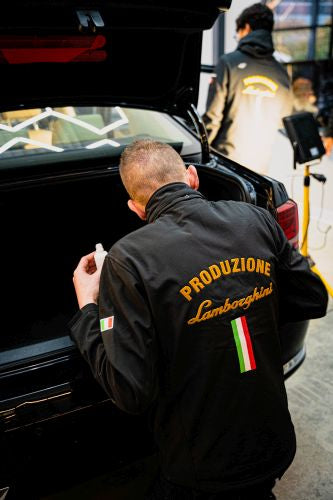
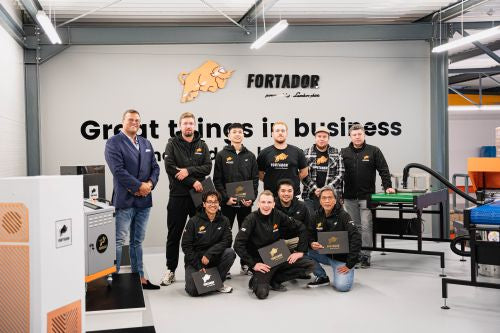
From mastering essential cleaning techniques to advancing with ceramic coating applications, our program offers hands-on experience with top-quality products. Led by our elite international trainers:
Marco - Italy
Johnny - Romania
Adrian and Marek - Poland
Peter - Netherlands
Leo - USA
Adam - Germany
Mick - England
Each session is tailored to provide expert insights and practical skills. By the end of this course, you'll possess the knowledge and confidence to deliver exceptional results, whether you're enhancing your current business or launching a new venture. This training is ideal for anyone looking to refine their operations, improve efficiency, and stand out in the competitive car detailing market.
Location: Fortador Factory, Warsaw, Poland
Hotel suggestion for accommodation: Perla Lesna

Training plan
Day 1
8:45 AM – 9:00 AM
Welcome, Training Objectives and Safety Briefing
-
Introduction of the trainers and participants.
-
Overview of the day’s training programme.
-
Explanation of professional detailing workflow.
-
Discussion of workplace organisation and efficiency.
-
Personal protective equipment and safe working practices.
-
Safe handling of cleaning chemicals, electrical equipment, steam equipment, extractors, vacuum cleaners, and polishing machines.
-
Overview of the expected practical outcomes.
9:00 AM – 9:45 AM
Professional Cleaning Equipment and Working Methods
Introduction to Professional Equipment used in the industry.
-
Overview of equipment commonly used in vehicle detailing services.
-
Steam-cleaning systems vs. water-and-chemical methods.
-
Pressure washers and foam systems.
-
Wet-and-dry vacuum cleaners.
-
Upholstery extraction machines.
-
Air blowers and compressed-air tools.
-
Dual-action and rotary polishing machines.
-
Brushes, microfiber products, wash mitts, applicators, and detailing accessories.
Equipment Selection
-
Choosing the correct equipment for different cleaning tasks.
-
Understanding pressure, temperature, moisture, chemical use, and surface sensitivity.
-
Differences between traditional cleaning methods and low-water or steam-assisted cleaning methods.
-
Selecting tools based on efficiency, mobility, job size, and service requirements.
Safe Operation and Maintenance
-
Preparing equipment before use.
-
Checking hoses, cables, connections, filters, tanks, and accessories.
-
Correct start-up and shutdown procedures.
-
Preventing equipment damage.
-
Daily cleaning and basic maintenance.
-
Proper equipment storage.
Live Demonstration
-
Safe handling of professional cleaning equipment.
-
Correct working distance, angle, pressure, and movement.
-
Demonstration of cleaning interior and exterior surfaces.
-
Avoiding excessive heat, pressure, moisture, or chemical application.
9:45 AM – 10:45 AM
Exterior Vehicle Cleaning
Vehicle Assessment
-
Inspecting the condition of the vehicle before starting.
-
Identifying heavy dirt, road film, insects, tar, brake dust, iron contamination, tree sap, and other pollutants.
-
Identifying sensitive areas and previously damaged surfaces.
-
Selecting the appropriate cleaning process.
Pre-Wash
-
Importance of removing loose contamination before contact washing.
-
Application of snow foam and pre-wash chemicals.
-
Selecting suitable dwell time.
-
Avoiding chemical drying on the surface.
-
Safe rinsing methods.
Efficient Vehicle Washing
-
Organising equipment and products before starting.
-
Working systematically from the cleaner areas to the dirtier areas.
-
Techniques for completing an efficient professional wash.
-
Safe washing of paintwork, glass, wheels, tyres, wheel arches, grilles, badges, and door shuts.
-
Correct use of wash mitts, brushes, microfiber products, and detailing tools.
-
Methods for reducing the risk of scratches and swirl marks.
Wheels and Tyres
-
Identifying different wheel finishes.
-
Selecting wheel-safe chemicals.
-
Cleaning wheel faces, barrels, tyres, and wheel arches.
-
Avoiding damage to polished, painted, coated, or sensitive wheels.
Decontamination
-
Use of iron fallout removers.
-
Use of tar and adhesive removers.
-
Mechanical decontamination with clay bars, clay mitts, or clay pads.
-
Understanding when mechanical decontamination is necessary.
-
Preventing scratches during the clay process.
Drying and Basic Protection
-
Safe drying with microfiber towels and air blowers.
-
Preventing water spots and towel marks.
-
Introduction to drying aids.
-
Overview of waxes, sealants, spray coatings, and ceramic protection products.
Practical Exercise
Participants practise:
-
Pre-washing.
-
Contact washing.
-
Wheel cleaning.
-
Exterior detailing.
-
Chemical decontamination.
-
Safe drying.
10:45 AM – 11:00 AM
Break
Light refreshments and beverages.
11:00 AM – 12:15 PM
Interior Vehicle Cleaning
Interior Inspection and Preparation
-
Assessing the condition of the interior.
-
Identifying fabric, leather, vinyl, plastic, rubber, carpet, glass, and delicate surfaces.
-
Checking for stains, odours, damage, loose items, and electronic components.
-
Preparing the vehicle and work area.
Vacuuming
-
Correct sequence for efficient vacuuming.
-
Cleaning seats, carpets, floor mats, boot areas, crevices, and seat rails.
-
Use of different vacuum attachments.
-
Reaching difficult areas without causing damage.
Fabric Seats and Upholstery
-
Identifying different fabric types.
-
Spot-testing cleaning products.
-
Pre-treatment of stains.
-
Shampooing and agitation techniques.
-
Steam-assisted cleaning.
-
Upholstery steam extraction vs water extraction.
-
Correct moisture control.
-
Preventing water marks, mould, and excessive drying times.
Leather Cleaning
-
Identifying coated and sensitive leather surfaces.
-
Safe leather-cleaning methods.
-
Avoiding excessive moisture, heat, and aggressive chemicals.
-
Applying leather conditioners and protection products.
Carpets and Floor Mats
-
Dry soil removal.
-
Stain treatment.
-
Shampooing and extraction.
-
Steam-assisted carpet cleaning.
-
Moisture extraction and drying.
-
Handling heavily contaminated floor mats.
Dashboard, Panels and Trim
-
Cleaning dashboards, centre consoles, door panels, buttons, displays, plastics, and rubber components.
-
Safe cleaning around electronic systems.
-
Use of brushes, microfiber cloths, steam, and compressed air.
-
Applying interior dressings and UV protection.
-
Avoiding overly glossy or slippery finishes.
Glass and Windows
-
Achieving streak-free results.
-
Correct towel and product selection.
-
Cleaning interior and exterior glass.
-
Safe care of tinted windows.
-
Cleaning mirrors and instrument displays.
Odour Removal and Final Details
-
Identifying the source of unpleasant odours.
-
Cleaning air vents and difficult crevices.
-
Steam-based odour treatment.
-
Introduction to ozone treatment and appropriate safety precautions.
-
Final inspection of cup holders, seat belts, vents, pedals, storage areas, and door pockets.
12:15 PM – 12:35 PM
Lunch Break
Buffet lunch or a selection of light meals.
12:35 PM–1:35 PM
-
Introduction to One-Step Paint Correction
Module Scope
A basic overview of paint inspection, surface preparation, polishing machines, pads, compounds, safety, and one-step polishing techniques. Advanced correction and extensive practical training are covered in Fortador’s five-day professional training programme.
-
Paint Assessment
Identifying swirl marks, scratches, oxidation, water spots, sanding marks, holograms, and other defects. Using inspection lighting, distinguishing between correctable and permanent damage, and setting realistic customer expectations.
-
Paint Systems and Thickness
Introduction to single-stage, basecoat, and clear-coat paint systems. Identifying repainted panels and using a paint-thickness gauge to recognise thin, repaired, or previously corrected paint.
-
Surface and Work-Area Preparation
Washing and decontaminating the vehicle, removing tar, iron particles, waxes, oils, and residues, and using a suitable panel wipe. Masking rubber, plastics, badges, edges, and sensitive areas. Preparing lighting, machines, pads, compounds, cables, and protective equipment.
-
Equipment Overview
Introduction to dual-action and rotary polishers, polishing pads, one-step compounds, finishing products, inspection lights, and pad-cleaning tools.
-
Visual Case Review
The trainer presents examples of paint defects and explains which can be safely improved, which require advanced correction, and when polishing should be avoided.
-
Learning Outcome
Participants gain a basic understanding of paint inspection, thickness measurement, surface preparation, and safe one-step polishing. This session does not qualify participants as professional paint-correction specialists.This module is a basic introduction only. Comprehensive polishing techniques and extensive practical training are covered during Fortador’s five-day professional training programme.
1:35 PM – 2:45 PM
Introduction to Machine Polishing and One-Step Paint Correction
Introduction to Polishing Machines
-
Differences between dual-action and rotary polishers.
-
Advantages and limitations of each machine type.
-
Selecting the correct machine for the operator’s experience and the condition of the paint.
-
Safe machine handling.
Compounds and Polishes
-
Cutting compounds.
-
Medium polishing compounds.
-
Finishing polishes.
-
One-step compounds.
-
Selecting a product according to paint hardness and defect level.
Polishing Pads
-
Foam cutting, polishing, and finishing pads.
-
Microfiber pads.
-
Wool pads.
-
Selecting the correct pad and compound combination.
-
Cleaning and replacing pads during the polishing process.
Test Spot Procedure
-
Importance of performing a test spot.
-
Starting with the least aggressive suitable combination.
-
Evaluating correction level and surface finish.
-
Adjusting the machine, pad, compound, speed, pressure, and number of passes.
One-Step Paint Correction
-
Purpose of one-step correction.
-
Balancing defect removal with gloss improvement.
-
Pad priming.
-
Applying the correct amount of compound.
-
Working in controlled sections.
-
Maintaining consistent machine movement.
-
Managing machine speed and pressure.
-
Monitoring panel temperature.
-
Avoiding dry polishing.
-
Safely polishing curved panels and body lines.
Live Demonstration
The trainer demonstrates:
-
Paint inspection.
-
Test spot preparation.
-
Pad priming.
-
Compound application.
-
Machine positioning.
-
Correct polishing passes.
-
Residue removal.
-
Inspection of the corrected area.
2:45 PM – 3:00 PM
Break
Light refreshments and beverages.
3:00 PM – 3:45 PM
Hands-On Polishing and Defect Correction
Participants practise machine polishing on demonstration panels or vehicles under instructor supervision.
Practical Skills
-
Safe machine start-up and handling.
-
Maintaining the pad flat against the surface.
-
Controlling speed, pressure, and movement.
-
Working in correctly sized sections.
-
Cleaning polishing pads.
-
Removing polish residue safely.
-
Inspecting the results under suitable lighting.
-
Identifying missed areas or remaining defects.
Spot Correction
-
Correcting isolated scratches and defects.
-
Selecting smaller machines and pads for restricted areas.
-
Polishing around door handles, badges, edges, corners, and body lines.
-
Avoiding excessive correction in one area.
-
Understanding when a defect is too deep to remove safely.
Finishing the Surface
-
Checking for haze, holograms, buffer trails, and polish residue.
-
Final panel wipe.
-
Preparing the surface for wax, sealant, or coating application.
-
Introduction to finishing techniques for improving gloss and clarity.
Instructor Feedback
Instructors evaluate:
-
Machine control.
-
Working position.
-
Pad and compound selection.
-
Pressure and speed.
-
Efficiency.
-
Safety.
-
Final finish quality.
3:45 PM – 4:00 PM
Review, Questions and Training Completion
Review of Key Skills
-
Professional equipment selection and safe operation.
-
Exterior cleaning workflow.
-
Interior cleaning workflow.
-
Chemical and mechanical decontamination.
-
Paint inspection and thickness measurement.
-
Surface preparation.
-
One-step machine polishing.
-
Final inspection and protection.
Question and Answer Session
Participants may discuss:
-
Problems encountered during practical exercises.
-
Different vehicle materials and paint conditions.
-
Equipment and product selection.
-
Efficient service organisation.
-
Common cleaning and polishing mistakes.
-
Application of the techniques in professional detailing services.
Final Recommendations
-
Follow a systematic cleaning process.
-
Inspect every vehicle before starting work.
-
Use the least aggressive effective cleaning or polishing method.
-
Test chemicals and polishing combinations before full application.
-
Prioritise safety and surface protection.
-
Maintain equipment and tools after every job.
-
Perform a final quality inspection before returning the vehicle to the customer.
4:00 PM
End of Training
Day 2
8:45 AM – 9:00 AM: Recap of Day 1
-
Review of Business Management and Financial Planning:
- Quick recap of the key lessons from Day 1, focusing on how to apply financial and business management strategies to your detailing business.
- Open floor for any questions or discussions on Day 1 topics before shifting focus to technical skills.
9:00 AM – 10:00 AM: Getting Acquainted with Fortador Products
-
Introduction to Fortador Equipment:
- Overview of Fortador’s range of steam cleaners, their features, and how they differ from traditional cleaning tools.
- Detailed explanation of each product’s function and best-use scenarios.
-
Demonstration of Fortador Steam Cleaners:
- Live demonstration of how to use Fortador steam cleaners for both interior and exterior car cleaning.
- Safety precautions and maintenance tips for Fortador equipment to ensure longevity and optimal performance.
-
Hands-On Session:
- Participants practice using Fortador steam cleaners under instructor supervision, with feedback provided on technique and efficiency.
10:00 AM – 10:15 AM: Break
- Light Refreshments: Snacks and beverages provided.
10:15 AM – 12:00 PM: Exterior Cleaning Techniques
-
Introduction to Exterior Cleaning:
- Importance of a thorough exterior cleaning as the foundation of any detailing job.
- Overview of the basic steps: pre-wash, wash, decontamination, drying, and protection.
-
Pre-Wash and Wash Techniques:
- Pre-Wash: Use of snow foam and pre-wash products to break down dirt and grime before contact washing.
- How to wash a car in under 15 minutes: Training on how to wash a car using Fortador Steamers in under 15 minutes.
- Contact Washing: Proper use of wash mitts, brushes, and detailing tools to clean various exterior surfaces.
-
Decontamination Techniques:
- Chemical Decontamination: Use of iron removers and tar removers to safely eliminate contaminants.
- Mechanical Decontamination: Techniques for using clay bars or clay mitts to remove embedded contaminants from the paint surface.
-
Drying and Protection:
- Safe Drying Techniques: Use of microfiber towels, air blowers, and drying aids to prevent water spots.
- Applying Protection: Introduction to waxes, sealants, and ceramic coatings, and how to apply them for long-lasting protection.
-
Hands-On Practice:
- Participants work on demo vehicles, practicing the entire exterior cleaning process, from pre-wash to protection application, under instructor supervision.
12:00 PM – 1:00 PM: Lunch Break
- Buffet Lunch: A selection of light meals provided.
1:00 PM – 2:45 PM: Interior Cleaning Techniques
-
Introduction to Interior Detailing:
- Importance of interior detailing in enhancing the overall appearance and value of the vehicle.
- Overview of key interior components: seats, carpets, dashboard, windows, and air vents.
-
Cleaning Seats and Upholstery:
- Fabric Seats: Techniques for shampooing, extracting, and removing stains.
- Leather Seats: Cleaning, conditioning, and protecting leather upholstery to maintain its appearance and durability.
- Hands-On Practice: Participants clean and condition seats in demo vehicles, applying the techniques demonstrated by the instructors.
-
Dashboard, Panels, and Trim:
- Cleaning Techniques: Safe methods for cleaning dashboards, door panels, and plastic trim without causing damage.
- Protecting and Dressing: Application of interior dressings and protectants to enhance appearance and prevent UV damage.
-
Carpets and Floor Mats:
- Vacuuming Techniques: Effective vacuuming strategies to remove dirt and debris from carpets and floor mats.
- Shampooing and Extraction: Techniques for deep cleaning carpets, removing stains, and extracting moisture.
- Hands-On Practice: Participants practice interior cleaning on demo vehicles, with instructors providing personalized feedback.
-
Glass and Windows:
- Streak-Free Cleaning: Techniques for achieving streak-free windows using the right products and methods.
- Window Tint Care: Special considerations for cleaning tinted windows without damaging the tint film.
-
Final Interior Detailing Touches:
- Odor Removal: Techniques for neutralizing odors, including the use of steam and ozone treatments.
- Attention to Detail: Importance of addressing small areas like air vents, crevices, and cup holders for a complete clean.
2:45 PM – 3:00 PM: Break
- Refreshments: Light snacks and drinks provided.
3:00 PM – 4:00 PM: Q&A and Review
-
Interactive Q&A Session:
- Participants ask questions about the day’s lessons, with instructors providing detailed answers and clarifications.
-
Review of Key Techniques:
- Recap of essential exterior and interior cleaning techniques learned during the day.
- Emphasis on the importance of attention to detail and following systematic cleaning processes.
-
Group Discussion:
- Open discussion on any challenges faced during the hands-on sessions and how to overcome them in real-world scenarios.
-
Preparation for Day 3:
- Overview of the next day’s focus on Car Preparation and Polishing, with a brief explanation of the topics to be covered.
- Encouragement to review the day’s materials and practice the techniques on their own vehicles before Day 3.
4:00 PM: End of Day 2
Day 3
8:45 AM – 9:00 AM: Recap of Day 2
-
Review of Basic Cleaning Techniques:
- Quick recap of the key lessons from Day 2, focusing on the importance of proper cleaning as a foundation for detailing.
- Discussion on any challenges or questions from the previous day, with tips for improving technique.
9:00 AM – 10:00 AM: Preparing the Car for Polishing
-
Surface Assessment:
- Inspection Techniques: How to inspect the vehicle’s paint for swirls, scratches, oxidation, and other defects.
- Identifying Paint Types: Understanding different types of automotive paint (single-stage, clear coat, etc.) and how they affect the polishing process.
- Assessing Contaminants: Identifying tar, tree sap, industrial fallout, and other contaminants that may need to be removed before polishing.
-
Pre-Polishing Preparation:
- Tape-Off Process: Demonstration of how to tape off sensitive areas (e.g., trim, emblems, rubber seals) to protect them during polishing.
-
Decontamination Process:
- Iron Removers: Application of iron fallout removers to dissolve embedded metal particles.
- Clay Bar or Clay Mitt: Hands-on practice using clay to remove bonded contaminants, creating a smooth surface for polishing.
- Solvent Wipe-Down: Use of panel wipes or isopropyl alcohol (IPA) to remove oils, waxes, and any remaining residues from the paint.
- Paint Thickness Measurement: Introduction to paint depth gauges and how to measure paint thickness to avoid over-polishing.
10:00 AM – 10:15 AM: Break
- Light Refreshments: Snacks and beverages provided.
10:15 AM – 12:00 PM: Polishing and One-Step Paint Correction
-
Introduction to Paint Correction:
- Understanding Paint Defects: Types of defects (e.g., swirl marks, scratches, oxidation) and how they can be corrected through polishing.
-
Polishing Compounds and Pads:
- Overview of different types of polishing compounds (cutting, polishing, finishing) and how to select the right one for the job.
- Explanation of polishing pads (foam, microfiber, wool) and their specific uses.
-
Polishing Techniques:
-
Machine Polishing:
- Dual Action (DA) Polishers: Introduction to DA polishers, their safety features, and how they differ from rotary polishers.
- Rotary Polishers: Explanation of rotary polishers, their advantages, and when to use them.
- Polishing Process: Step-by-step demonstration of the polishing process, including pad priming, pressure control, and speed settings.
- One-Step Paint Correction: Techniques for performing a one-step polish that balances cutting and finishing, ideal for enhancing gloss with minimal effort.
-
Hands-On Practice:
- Participants practice polishing techniques on demo panels and vehicles, with instructors providing guidance on pressure, speed, and pad movement.
-
Finishing the Polished Surface:
- Inspecting the Results: How to check for holograms, buffer trails, and missed defects.
- Jeweling: Techniques for achieving maximum gloss and clarity on the paint surface.
- Final Wipe-Down: Use of microfiber towels and finishing sprays to remove any remaining polish residue.
-
Machine Polishing:
12:00 PM – 1:00 PM: Lunch Break
- Buffet Lunch: A selection of light meals provided.
1:00 PM – 2:45 PM: Continued Practice
-
Hands-On Polishing Session:
- Participants continue practicing the polishing techniques learned earlier, working on different sections of demo vehicles.
- Instructors provide one-on-one feedback, helping participants refine their techniques and troubleshoot any issues.
-
Spot Correction Techniques:
- Isolated Defect Removal: Techniques for focusing on specific areas with deeper scratches or defects without over-polishing surrounding areas.
- Edge and Corner Polishing: Safely polishing near edges, body lines, and tight areas where machine polishers may be less effective.
-
Introduction to Multi-Step Paint Correction:
- Overview: Explanation of multi-step correction, where multiple polishing stages (cutting, polishing, finishing) are used to achieve the highest level of defect removal and gloss.
- Discussion: Understanding when to use a multi-step correction process versus a one-step approach.
-
Group Discussion:
- Participants discuss their experiences during the hands-on sessions, sharing challenges and solutions with the group.
- Instructors provide additional tips and answer questions related to specific polishing scenarios.
2:45 PM – 3:00 PM: Break
- Refreshments: Light snacks and drinks provided.
3:00 PM – 4:00 PM: Q&A and Review
-
Interactive Q&A Session:
- Open floor for participants to ask questions about the day's lessons, with instructors providing detailed explanations and practical advice.
-
Review of Key Polishing Techniques:
- Recap of the essential polishing techniques learned during the day, emphasizing the importance of surface preparation and correct tool usage.
- Discussion on the role of polishing in the overall detailing process and its impact on the final result.
-
Preparation for Day 4:
- Overview of the next day's focus on Advanced Techniques and Repetition, including advanced correction methods, coating applications, and more.
- Encouragement to review the day's materials and practice the techniques on their own vehicles before Day 4.
4:00 PM: End of Day 3
Day 4
8:45 AM – 9:00 AM: Recap of Day 3
-
Review of Polishing Techniques:
- Quick recap of the key lessons from Day 3, focusing on the importance of preparation and the nuances of polishing techniques.
- Open discussion on any challenges faced during the previous day's hands-on sessions, with tips for improvement.
9:00 AM – 10:00 AM: Advanced Paint Correction Techniques
-
Introduction to Multi-Step Paint Correction:
- Understanding Multi-Step Process: Detailed explanation of multi-step correction, including heavy cutting, polishing, and finishing stages.
- Advanced Polishing Compounds: Overview of high-cutting compounds and finishing polishes, with a focus on selecting the right product for specific paint conditions.
-
Polishing Pad Selection:
- Discussion on the use of different pads (foam, microfiber, wool) in a multi-step process.
- Techniques for switching between pads and products efficiently.
-
Advanced Machine Polishing Techniques:
- Rotary Polishing Mastery: Techniques for using rotary polishers to correct severe defects while minimizing the risk of holograms and burns.
-
Edge Work and Tight Areas:
- Techniques for polishing around intricate areas such as body lines, edges, and emblems.
- Introduction to smaller pad systems and specialized tools for tight spaces.
-
Hands-On Practice:
- Participants practice multi-step paint correction on demo vehicles, focusing on achieving a flawless finish with minimal haze or swirls.
- Instructors provide one-on-one guidance, helping participants refine their techniques for different paint types and conditions.
10:00 AM – 10:15 AM: Break
- Light Refreshments: Snacks and beverages provided.
10:15 AM – 12:00 PM: Coatings and Advanced Protection Techniques
-
Introduction to Ceramic Coatings:
- Understanding Ceramic Coatings: Explanation of ceramic coatings, their benefits, and how they differ from traditional waxes and sealants.
- Coating Types: Overview of different ceramic coatings, including consumer-grade and professional-grade options.
-
Surface Preparation for Coating:
- Importance of flawless paint correction and decontamination before coating application.
- Use of panel wipes and inspection sprays to ensure a residue-free surface.
-
Application Techniques for Ceramic Coatings:
-
Step-by-Step Application:
- Demonstration of proper application techniques, including layering, leveling, and curing times.
- Techniques for avoiding high spots, streaks, and other common application issues.
-
Curing Process:
- Explanation of the curing process, including the use of IR lamps and proper environmental conditions.
- Discussion on post-application care and maintenance during the curing period.
-
Coating Maintenance and Longevity:
- Post-Coating Care: Techniques for maintaining a ceramic-coated vehicle, including recommended washing methods and products.
- Top-Up Products: Introduction to maintenance products like spray sealants and detailers designed to extend the life of ceramic coatings.
-
Hands-On Coating Application:
- Participants apply ceramic coatings to demo panels and vehicles, practicing the techniques demonstrated.
- Instructors provide personalized feedback, helping participants achieve a professional-grade finish.
-
Step-by-Step Application:
12:00 PM – 1:00 PM: Lunch Break
- Buffet Lunch: A selection of light meals provided.
1:00 PM – 2:45 PM: Repetition and Mastery
-
Advanced Detailing Techniques:
-
Wet Sanding:
- Introduction to wet sanding for severe defect removal and paint leveling.
- Demonstration of different grits, sanding blocks, and techniques to safely remove imperfections.
- Discussion on when and how to use wet sanding as part of the correction process.
-
Spot Repair Techniques:
- Methods for repairing isolated defects, such as deep scratches and bird etching.
- Hands-on practice using sanding, compounding, and polishing to blend repaired areas seamlessly.
-
Continued Practice:
- Participants work on demo vehicles, applying the advanced techniques learned throughout the day.
- Focus on refining skills through repetition, with instructors providing guidance to ensure each participant reaches a high level of proficiency.
-
Final Detailing Touches:
- Interior Advanced Techniques: Quick review of interior detailing for high-end finishes, including leather restoration and fabric protection.
- Exterior Detailing Finishes: Application of final touches such as tire dressing, trim restoration, and glass coating.
-
Group Collaboration:
- Participants work in pairs or small groups to tackle complex detailing tasks, sharing techniques and troubleshooting challenges together.
- Instructors provide support and answer questions as participants work to perfect their skills.
-
Wet Sanding:
2:45 PM – 3:00 PM: Break
- Refreshments: Light snacks and drinks provided.
3:00 PM – 4:00 PM: Q&A and Review
-
Interactive Q&A Session:
- Participants have the opportunity to ask in-depth questions about advanced techniques, tools, and products used during the day.
- Instructors provide detailed answers, including tips for handling unique or challenging detailing situations.
-
Review of Advanced Techniques:
- Recap of the key advanced detailing techniques covered during the day, with an emphasis on their application in different scenarios.
- Discussion on how to integrate these advanced techniques into the participants' own detailing services.
-
Preparation for Day 5:
- Overview of the next day’s focus on Evaluation, Final Examination, and Certification.
- Participants are encouraged to review all materials and prepare for the final exam, which will cover both theoretical knowledge and practical skills.
4:00 PM: End of Day 4
Day 5
8:45 AM – 9:00 AM: Recap of Day 4 and Overview of the Day
-
Review of Advanced Techniques:
- Quick recap of the advanced detailing techniques covered on Day 4, focusing on any final questions or clarifications.
- Overview of the day's schedule, emphasizing the importance of the final evaluation and certification process.
9:00 AM – 10:00 AM: Written Examination
-
Introduction to the Written Exam:
- Explanation of the format and types of questions (multiple choice, true/false, short answer).
- Emphasis on the importance of applying knowledge gained from all five days of training, including business management, cleaning techniques, polishing, and advanced detailing.
-
Written Exam:
- Content: The exam covers theoretical knowledge from the entire training, including business practices, detailing products, tools, techniques, and safety protocols.
- Duration: 60 minutes.
- Assessment: The exam is designed to test understanding of key concepts and the ability to apply knowledge to real-world scenarios.
10:00 AM – 10:15 AM: Break
- Light Refreshments: Snacks and beverages provided.
10:15 AM – 12:00 PM: Practical Examination
-
Introduction to the Practical Exam:
- Explanation of the practical exam process, where participants will demonstrate their detailing skills on a vehicle.
- Overview of the key areas to be assessed, including preparation, technique, attention to detail, and time management.
-
Practical Exam:
-
Content: Participants will be required to perform a series of detailing tasks, such as:
- Exterior Cleaning: Demonstrate correct washing, decontamination, and drying techniques and how to wash a car in 15 minutes.
- Paint Correction: Perform a one-step or multi-step paint correction on a section of the vehicle.
- Ceramic Coating Application: Apply a ceramic coating to a panel, ensuring proper technique and coverage.
- Interior Detailing: Clean and condition interior surfaces, focusing on leather, upholstery, and trim.
- Final Inspection: Conduct a final inspection of the vehicle, identifying any remaining defects or areas for improvement.
-
Assessment:
- Participants are evaluated on their technical skills, ability to follow procedures, and overall quality of work.
- Instructors observe and provide feedback throughout the process, with a final assessment at the end of the session.
-
Content: Participants will be required to perform a series of detailing tasks, such as:
12:00 PM – 1:00 PM: Lunch Break
- Buffet Lunch: A selection of light meals provided.
1:00 PM – 2:45 PM: Final Review and Feedback Session
-
Review of Practical Examination:
- Instructors provide detailed feedback on each participant’s performance during the practical exam.
- Discussion on strengths and areas for improvement, with personalized advice on how to enhance detailing skills further.
-
Group Discussion:
- Open floor for participants to share their experiences from the practical exam, discussing any challenges they faced and how they overcame them.
- Instructors facilitate a discussion on best practices and key takeaways from the training.
-
Final Q&A Session:
- Participants have the opportunity to ask any remaining questions about the techniques, tools, or business practices covered during the training.
- Instructors provide in-depth answers, ensuring all participants have a clear understanding of the course content.
2:45 PM – 3:00 PM: Break
- Refreshments: Light snacks and drinks provided.
3:00 PM – 4:00 PM: Certification Ceremony and Closing Remarks
-
Certification Ceremony:
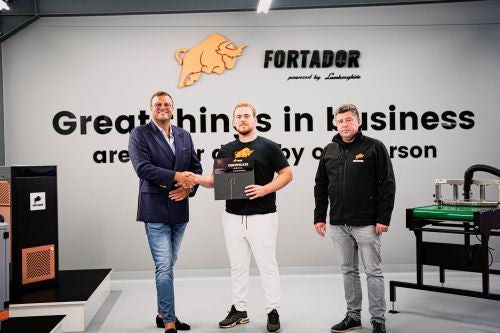
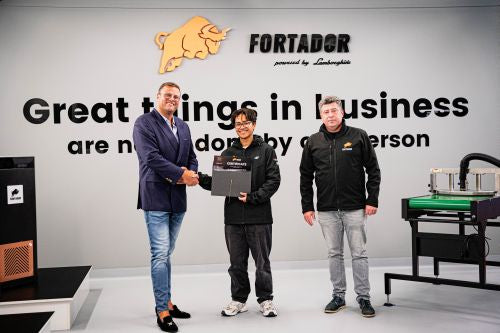
- Presentation of Certificates: Each participant receives a certificate of completion, recognizing their achievement in mastering the skills taught during the training program.
- Special Awards: Instructors may present special awards to participants who demonstrated exceptional skill or improvement throughout the course.
-
Closing Remarks:
- Instructor Reflections: Instructors reflect on the participants’ journey throughout the course, highlighting significant milestones and achievements.
- Participant Reflections: Participants are invited to share their thoughts and experiences, discussing how they plan to apply their new skills in their detailing businesses.
-
Networking Opportunity:
- Participants are encouraged to network with each other and the instructors, building connections that may support their future endeavors in the detailing industry.
-
Next Steps and Continuing Education:
- Instructors provide information on advanced courses, certifications, and resources for further skill development in automotive detailing.
- Participants are encouraged to stay engaged with the detailing community and continue learning through practice and additional training.
4:00 PM: End of Training Program
Final Farewells: Instructors and participants say their goodbyes, with the opportunity to exchange contact information and stay in touch for future collaborations or support.
8:45 AM – 9:00 AM
Welcome, Training Objectives and Safety Briefing
-
Introduction of the trainers and participants.
-
Overview of the day’s training programme.
-
Explanation of professional detailing workflow.
-
Discussion of workplace organisation and efficiency.
-
Personal protective equipment and safe working practices.
-
Safe handling of cleaning chemicals, electrical equipment, steam equipment, extractors, vacuum cleaners, and polishing machines.
-
Overview of the expected practical outcomes.
9:00 AM – 9:45 AM
Professional Cleaning Equipment and Working Methods
Introduction to Professional Equipment used in the industry.
-
Overview of equipment commonly used in vehicle detailing services.
-
Steam-cleaning systems vs. water-and-chemical methods.
-
Pressure washers and foam systems.
-
Wet-and-dry vacuum cleaners.
-
Upholstery extraction machines.
-
Air blowers and compressed-air tools.
-
Dual-action and rotary polishing machines.
-
Brushes, microfiber products, wash mitts, applicators, and detailing accessories.
Equipment Selection
-
Choosing the correct equipment for different cleaning tasks.
-
Understanding pressure, temperature, moisture, chemical use, and surface sensitivity.
-
Differences between traditional cleaning methods and low-water or steam-assisted cleaning methods.
-
Selecting tools based on efficiency, mobility, job size, and service requirements.
Safe Operation and Maintenance
-
Preparing equipment before use.
-
Checking hoses, cables, connections, filters, tanks, and accessories.
-
Correct start-up and shutdown procedures.
-
Preventing equipment damage.
-
Daily cleaning and basic maintenance.
-
Proper equipment storage.
Live Demonstration
-
Safe handling of professional cleaning equipment.
-
Correct working distance, angle, pressure, and movement.
-
Demonstration of cleaning interior and exterior surfaces.
-
Avoiding excessive heat, pressure, moisture, or chemical application.
9:45 AM – 10:45 AM
Exterior Vehicle Cleaning
Vehicle Assessment
-
Inspecting the condition of the vehicle before starting.
-
Identifying heavy dirt, road film, insects, tar, brake dust, iron contamination, tree sap, and other pollutants.
-
Identifying sensitive areas and previously damaged surfaces.
-
Selecting the appropriate cleaning process.
Pre-Wash
-
Importance of removing loose contamination before contact washing.
-
Application of snow foam and pre-wash chemicals.
-
Selecting suitable dwell time.
-
Avoiding chemical drying on the surface.
-
Safe rinsing methods.
Efficient Vehicle Washing
-
Organising equipment and products before starting.
-
Working systematically from the cleaner areas to the dirtier areas.
-
Techniques for completing an efficient professional wash.
-
Safe washing of paintwork, glass, wheels, tyres, wheel arches, grilles, badges, and door shuts.
-
Correct use of wash mitts, brushes, microfiber products, and detailing tools.
-
Methods for reducing the risk of scratches and swirl marks.
Wheels and Tyres
-
Identifying different wheel finishes.
-
Selecting wheel-safe chemicals.
-
Cleaning wheel faces, barrels, tyres, and wheel arches.
-
Avoiding damage to polished, painted, coated, or sensitive wheels.
Decontamination
-
Use of iron fallout removers.
-
Use of tar and adhesive removers.
-
Mechanical decontamination with clay bars, clay mitts, or clay pads.
-
Understanding when mechanical decontamination is necessary.
-
Preventing scratches during the clay process.
Drying and Basic Protection
-
Safe drying with microfiber towels and air blowers.
-
Preventing water spots and towel marks.
-
Introduction to drying aids.
-
Overview of waxes, sealants, spray coatings, and ceramic protection products.
Practical Exercise
Participants practise:
-
Pre-washing.
-
Contact washing.
-
Wheel cleaning.
-
Exterior detailing.
-
Chemical decontamination.
-
Safe drying.
10:45 AM – 11:00 AM
Break
Light refreshments and beverages.
11:00 AM – 12:15 PM
Interior Vehicle Cleaning
Interior Inspection and Preparation
-
Assessing the condition of the interior.
-
Identifying fabric, leather, vinyl, plastic, rubber, carpet, glass, and delicate surfaces.
-
Checking for stains, odours, damage, loose items, and electronic components.
-
Preparing the vehicle and work area.
Vacuuming
-
Correct sequence for efficient vacuuming.
-
Cleaning seats, carpets, floor mats, boot areas, crevices, and seat rails.
-
Use of different vacuum attachments.
-
Reaching difficult areas without causing damage.
Fabric Seats and Upholstery
-
Identifying different fabric types.
-
Spot-testing cleaning products.
-
Pre-treatment of stains.
-
Shampooing and agitation techniques.
-
Steam-assisted cleaning.
-
Upholstery steam extraction vs water extraction.
-
Correct moisture control.
-
Preventing water marks, mould, and excessive drying times.
Leather Cleaning
-
Identifying coated and sensitive leather surfaces.
-
Safe leather-cleaning methods.
-
Avoiding excessive moisture, heat, and aggressive chemicals.
-
Applying leather conditioners and protection products.
Carpets and Floor Mats
-
Dry soil removal.
-
Stain treatment.
-
Shampooing and extraction.
-
Steam-assisted carpet cleaning.
-
Moisture extraction and drying.
-
Handling heavily contaminated floor mats.
Dashboard, Panels and Trim
-
Cleaning dashboards, centre consoles, door panels, buttons, displays, plastics, and rubber components.
-
Safe cleaning around electronic systems.
-
Use of brushes, microfiber cloths, steam, and compressed air.
-
Applying interior dressings and UV protection.
-
Avoiding overly glossy or slippery finishes.
Glass and Windows
-
Achieving streak-free results.
-
Correct towel and product selection.
-
Cleaning interior and exterior glass.
-
Safe care of tinted windows.
-
Cleaning mirrors and instrument displays.
Odour Removal and Final Details
-
Identifying the source of unpleasant odours.
-
Cleaning air vents and difficult crevices.
-
Steam-based odour treatment.
-
Introduction to ozone treatment and appropriate safety precautions.
-
Final inspection of cup holders, seat belts, vents, pedals, storage areas, and door pockets.
12:15 PM – 12:35 PM
Lunch Break
Buffet lunch or a selection of light meals.
12:35 PM–1:35 PM
-
Introduction to One-Step Paint Correction
Module Scope
A basic overview of paint inspection, surface preparation, polishing machines, pads, compounds, safety, and one-step polishing techniques. Advanced correction and extensive practical training are covered in Fortador’s five-day professional training programme.
-
Paint Assessment
Identifying swirl marks, scratches, oxidation, water spots, sanding marks, holograms, and other defects. Using inspection lighting, distinguishing between correctable and permanent damage, and setting realistic customer expectations.
-
Paint Systems and Thickness
Introduction to single-stage, basecoat, and clear-coat paint systems. Identifying repainted panels and using a paint-thickness gauge to recognise thin, repaired, or previously corrected paint.
-
Surface and Work-Area Preparation
Washing and decontaminating the vehicle, removing tar, iron particles, waxes, oils, and residues, and using a suitable panel wipe. Masking rubber, plastics, badges, edges, and sensitive areas. Preparing lighting, machines, pads, compounds, cables, and protective equipment.
-
Equipment Overview
Introduction to dual-action and rotary polishers, polishing pads, one-step compounds, finishing products, inspection lights, and pad-cleaning tools.
-
Visual Case Review
The trainer presents examples of paint defects and explains which can be safely improved, which require advanced correction, and when polishing should be avoided.
-
Learning Outcome
Participants gain a basic understanding of paint inspection, thickness measurement, surface preparation, and safe one-step polishing. This session does not qualify participants as professional paint-correction specialists.This module is a basic introduction only. Comprehensive polishing techniques and extensive practical training are covered during Fortador’s five-day professional training programme.
1:35 PM – 2:45 PM
Introduction to Machine Polishing and One-Step Paint Correction
Introduction to Polishing Machines
-
Differences between dual-action and rotary polishers.
-
Advantages and limitations of each machine type.
-
Selecting the correct machine for the operator’s experience and the condition of the paint.
-
Safe machine handling.
Compounds and Polishes
-
Cutting compounds.
-
Medium polishing compounds.
-
Finishing polishes.
-
One-step compounds.
-
Selecting a product according to paint hardness and defect level.
Polishing Pads
-
Foam cutting, polishing, and finishing pads.
-
Microfiber pads.
-
Wool pads.
-
Selecting the correct pad and compound combination.
-
Cleaning and replacing pads during the polishing process.
Test Spot Procedure
-
Importance of performing a test spot.
-
Starting with the least aggressive suitable combination.
-
Evaluating correction level and surface finish.
-
Adjusting the machine, pad, compound, speed, pressure, and number of passes.
One-Step Paint Correction
-
Purpose of one-step correction.
-
Balancing defect removal with gloss improvement.
-
Pad priming.
-
Applying the correct amount of compound.
-
Working in controlled sections.
-
Maintaining consistent machine movement.
-
Managing machine speed and pressure.
-
Monitoring panel temperature.
-
Avoiding dry polishing.
-
Safely polishing curved panels and body lines.
Live Demonstration
The trainer demonstrates:
-
Paint inspection.
-
Test spot preparation.
-
Pad priming.
-
Compound application.
-
Machine positioning.
-
Correct polishing passes.
-
Residue removal.
-
Inspection of the corrected area.
2:45 PM – 3:00 PM
Break
Light refreshments and beverages.
3:00 PM – 3:45 PM
Hands-On Polishing and Defect Correction
Participants practise machine polishing on demonstration panels or vehicles under instructor supervision.
Practical Skills
-
Safe machine start-up and handling.
-
Maintaining the pad flat against the surface.
-
Controlling speed, pressure, and movement.
-
Working in correctly sized sections.
-
Cleaning polishing pads.
-
Removing polish residue safely.
-
Inspecting the results under suitable lighting.
-
Identifying missed areas or remaining defects.
Spot Correction
-
Correcting isolated scratches and defects.
-
Selecting smaller machines and pads for restricted areas.
-
Polishing around door handles, badges, edges, corners, and body lines.
-
Avoiding excessive correction in one area.
-
Understanding when a defect is too deep to remove safely.
Finishing the Surface
-
Checking for haze, holograms, buffer trails, and polish residue.
-
Final panel wipe.
-
Preparing the surface for wax, sealant, or coating application.
-
Introduction to finishing techniques for improving gloss and clarity.
Instructor Feedback
Instructors evaluate:
-
Machine control.
-
Working position.
-
Pad and compound selection.
-
Pressure and speed.
-
Efficiency.
-
Safety.
-
Final finish quality.
3:45 PM – 4:00 PM
Review, Questions and Training Completion
Review of Key Skills
-
Professional equipment selection and safe operation.
-
Exterior cleaning workflow.
-
Interior cleaning workflow.
-
Chemical and mechanical decontamination.
-
Paint inspection and thickness measurement.
-
Surface preparation.
-
One-step machine polishing.
-
Final inspection and protection.
Question and Answer Session
Participants may discuss:
-
Problems encountered during practical exercises.
-
Different vehicle materials and paint conditions.
-
Equipment and product selection.
-
Efficient service organisation.
-
Common cleaning and polishing mistakes.
-
Application of the techniques in professional detailing services.
Final Recommendations
-
Follow a systematic cleaning process.
-
Inspect every vehicle before starting work.
-
Use the least aggressive effective cleaning or polishing method.
-
Test chemicals and polishing combinations before full application.
-
Prioritise safety and surface protection.
-
Maintain equipment and tools after every job.
-
Perform a final quality inspection before returning the vehicle to the customer.
4:00 PM
End of Training
8:45 AM – 9:00 AM: Recap of Day 1
-
Review of Business Management and Financial Planning:
- Quick recap of the key lessons from Day 1, focusing on how to apply financial and business management strategies to your detailing business.
- Open floor for any questions or discussions on Day 1 topics before shifting focus to technical skills.
9:00 AM – 10:00 AM: Getting Acquainted with Fortador Products
-
Introduction to Fortador Equipment:
- Overview of Fortador’s range of steam cleaners, their features, and how they differ from traditional cleaning tools.
- Detailed explanation of each product’s function and best-use scenarios.
-
Demonstration of Fortador Steam Cleaners:
- Live demonstration of how to use Fortador steam cleaners for both interior and exterior car cleaning.
- Safety precautions and maintenance tips for Fortador equipment to ensure longevity and optimal performance.
-
Hands-On Session:
- Participants practice using Fortador steam cleaners under instructor supervision, with feedback provided on technique and efficiency.
10:00 AM – 10:15 AM: Break
- Light Refreshments: Snacks and beverages provided.
10:15 AM – 12:00 PM: Exterior Cleaning Techniques
-
Introduction to Exterior Cleaning:
- Importance of a thorough exterior cleaning as the foundation of any detailing job.
- Overview of the basic steps: pre-wash, wash, decontamination, drying, and protection.
-
Pre-Wash and Wash Techniques:
- Pre-Wash: Use of snow foam and pre-wash products to break down dirt and grime before contact washing.
- How to wash a car in under 15 minutes: Training on how to wash a car using Fortador Steamers in under 15 minutes.
- Contact Washing: Proper use of wash mitts, brushes, and detailing tools to clean various exterior surfaces.
-
Decontamination Techniques:
- Chemical Decontamination: Use of iron removers and tar removers to safely eliminate contaminants.
- Mechanical Decontamination: Techniques for using clay bars or clay mitts to remove embedded contaminants from the paint surface.
-
Drying and Protection:
- Safe Drying Techniques: Use of microfiber towels, air blowers, and drying aids to prevent water spots.
- Applying Protection: Introduction to waxes, sealants, and ceramic coatings, and how to apply them for long-lasting protection.
-
Hands-On Practice:
- Participants work on demo vehicles, practicing the entire exterior cleaning process, from pre-wash to protection application, under instructor supervision.
12:00 PM – 1:00 PM: Lunch Break
- Buffet Lunch: A selection of light meals provided.
1:00 PM – 2:45 PM: Interior Cleaning Techniques
-
Introduction to Interior Detailing:
- Importance of interior detailing in enhancing the overall appearance and value of the vehicle.
- Overview of key interior components: seats, carpets, dashboard, windows, and air vents.
-
Cleaning Seats and Upholstery:
- Fabric Seats: Techniques for shampooing, extracting, and removing stains.
- Leather Seats: Cleaning, conditioning, and protecting leather upholstery to maintain its appearance and durability.
- Hands-On Practice: Participants clean and condition seats in demo vehicles, applying the techniques demonstrated by the instructors.
-
Dashboard, Panels, and Trim:
- Cleaning Techniques: Safe methods for cleaning dashboards, door panels, and plastic trim without causing damage.
- Protecting and Dressing: Application of interior dressings and protectants to enhance appearance and prevent UV damage.
-
Carpets and Floor Mats:
- Vacuuming Techniques: Effective vacuuming strategies to remove dirt and debris from carpets and floor mats.
- Shampooing and Extraction: Techniques for deep cleaning carpets, removing stains, and extracting moisture.
- Hands-On Practice: Participants practice interior cleaning on demo vehicles, with instructors providing personalized feedback.
-
Glass and Windows:
- Streak-Free Cleaning: Techniques for achieving streak-free windows using the right products and methods.
- Window Tint Care: Special considerations for cleaning tinted windows without damaging the tint film.
-
Final Interior Detailing Touches:
- Odor Removal: Techniques for neutralizing odors, including the use of steam and ozone treatments.
- Attention to Detail: Importance of addressing small areas like air vents, crevices, and cup holders for a complete clean.
2:45 PM – 3:00 PM: Break
- Refreshments: Light snacks and drinks provided.
3:00 PM – 4:00 PM: Q&A and Review
-
Interactive Q&A Session:
- Participants ask questions about the day’s lessons, with instructors providing detailed answers and clarifications.
-
Review of Key Techniques:
- Recap of essential exterior and interior cleaning techniques learned during the day.
- Emphasis on the importance of attention to detail and following systematic cleaning processes.
-
Group Discussion:
- Open discussion on any challenges faced during the hands-on sessions and how to overcome them in real-world scenarios.
-
Preparation for Day 3:
- Overview of the next day’s focus on Car Preparation and Polishing, with a brief explanation of the topics to be covered.
- Encouragement to review the day’s materials and practice the techniques on their own vehicles before Day 3.
4:00 PM: End of Day 2
8:45 AM – 9:00 AM: Recap of Day 2
-
Review of Basic Cleaning Techniques:
- Quick recap of the key lessons from Day 2, focusing on the importance of proper cleaning as a foundation for detailing.
- Discussion on any challenges or questions from the previous day, with tips for improving technique.
9:00 AM – 10:00 AM: Preparing the Car for Polishing
-
Surface Assessment:
- Inspection Techniques: How to inspect the vehicle’s paint for swirls, scratches, oxidation, and other defects.
- Identifying Paint Types: Understanding different types of automotive paint (single-stage, clear coat, etc.) and how they affect the polishing process.
- Assessing Contaminants: Identifying tar, tree sap, industrial fallout, and other contaminants that may need to be removed before polishing.
-
Pre-Polishing Preparation:
- Tape-Off Process: Demonstration of how to tape off sensitive areas (e.g., trim, emblems, rubber seals) to protect them during polishing.
-
Decontamination Process:
- Iron Removers: Application of iron fallout removers to dissolve embedded metal particles.
- Clay Bar or Clay Mitt: Hands-on practice using clay to remove bonded contaminants, creating a smooth surface for polishing.
- Solvent Wipe-Down: Use of panel wipes or isopropyl alcohol (IPA) to remove oils, waxes, and any remaining residues from the paint.
- Paint Thickness Measurement: Introduction to paint depth gauges and how to measure paint thickness to avoid over-polishing.
10:00 AM – 10:15 AM: Break
- Light Refreshments: Snacks and beverages provided.
10:15 AM – 12:00 PM: Polishing and One-Step Paint Correction
-
Introduction to Paint Correction:
- Understanding Paint Defects: Types of defects (e.g., swirl marks, scratches, oxidation) and how they can be corrected through polishing.
-
Polishing Compounds and Pads:
- Overview of different types of polishing compounds (cutting, polishing, finishing) and how to select the right one for the job.
- Explanation of polishing pads (foam, microfiber, wool) and their specific uses.
-
Polishing Techniques:
-
Machine Polishing:
- Dual Action (DA) Polishers: Introduction to DA polishers, their safety features, and how they differ from rotary polishers.
- Rotary Polishers: Explanation of rotary polishers, their advantages, and when to use them.
- Polishing Process: Step-by-step demonstration of the polishing process, including pad priming, pressure control, and speed settings.
- One-Step Paint Correction: Techniques for performing a one-step polish that balances cutting and finishing, ideal for enhancing gloss with minimal effort.
-
Hands-On Practice:
- Participants practice polishing techniques on demo panels and vehicles, with instructors providing guidance on pressure, speed, and pad movement.
-
Finishing the Polished Surface:
- Inspecting the Results: How to check for holograms, buffer trails, and missed defects.
- Jeweling: Techniques for achieving maximum gloss and clarity on the paint surface.
- Final Wipe-Down: Use of microfiber towels and finishing sprays to remove any remaining polish residue.
-
Machine Polishing:
12:00 PM – 1:00 PM: Lunch Break
- Buffet Lunch: A selection of light meals provided.
1:00 PM – 2:45 PM: Continued Practice
-
Hands-On Polishing Session:
- Participants continue practicing the polishing techniques learned earlier, working on different sections of demo vehicles.
- Instructors provide one-on-one feedback, helping participants refine their techniques and troubleshoot any issues.
-
Spot Correction Techniques:
- Isolated Defect Removal: Techniques for focusing on specific areas with deeper scratches or defects without over-polishing surrounding areas.
- Edge and Corner Polishing: Safely polishing near edges, body lines, and tight areas where machine polishers may be less effective.
-
Introduction to Multi-Step Paint Correction:
- Overview: Explanation of multi-step correction, where multiple polishing stages (cutting, polishing, finishing) are used to achieve the highest level of defect removal and gloss.
- Discussion: Understanding when to use a multi-step correction process versus a one-step approach.
-
Group Discussion:
- Participants discuss their experiences during the hands-on sessions, sharing challenges and solutions with the group.
- Instructors provide additional tips and answer questions related to specific polishing scenarios.
2:45 PM – 3:00 PM: Break
- Refreshments: Light snacks and drinks provided.
3:00 PM – 4:00 PM: Q&A and Review
-
Interactive Q&A Session:
- Open floor for participants to ask questions about the day's lessons, with instructors providing detailed explanations and practical advice.
-
Review of Key Polishing Techniques:
- Recap of the essential polishing techniques learned during the day, emphasizing the importance of surface preparation and correct tool usage.
- Discussion on the role of polishing in the overall detailing process and its impact on the final result.
-
Preparation for Day 4:
- Overview of the next day's focus on Advanced Techniques and Repetition, including advanced correction methods, coating applications, and more.
- Encouragement to review the day's materials and practice the techniques on their own vehicles before Day 4.
4:00 PM: End of Day 3
8:45 AM – 9:00 AM: Recap of Day 3
-
Review of Polishing Techniques:
- Quick recap of the key lessons from Day 3, focusing on the importance of preparation and the nuances of polishing techniques.
- Open discussion on any challenges faced during the previous day's hands-on sessions, with tips for improvement.
9:00 AM – 10:00 AM: Advanced Paint Correction Techniques
-
Introduction to Multi-Step Paint Correction:
- Understanding Multi-Step Process: Detailed explanation of multi-step correction, including heavy cutting, polishing, and finishing stages.
- Advanced Polishing Compounds: Overview of high-cutting compounds and finishing polishes, with a focus on selecting the right product for specific paint conditions.
-
Polishing Pad Selection:
- Discussion on the use of different pads (foam, microfiber, wool) in a multi-step process.
- Techniques for switching between pads and products efficiently.
-
Advanced Machine Polishing Techniques:
- Rotary Polishing Mastery: Techniques for using rotary polishers to correct severe defects while minimizing the risk of holograms and burns.
-
Edge Work and Tight Areas:
- Techniques for polishing around intricate areas such as body lines, edges, and emblems.
- Introduction to smaller pad systems and specialized tools for tight spaces.
-
Hands-On Practice:
- Participants practice multi-step paint correction on demo vehicles, focusing on achieving a flawless finish with minimal haze or swirls.
- Instructors provide one-on-one guidance, helping participants refine their techniques for different paint types and conditions.
10:00 AM – 10:15 AM: Break
- Light Refreshments: Snacks and beverages provided.
10:15 AM – 12:00 PM: Coatings and Advanced Protection Techniques
-
Introduction to Ceramic Coatings:
- Understanding Ceramic Coatings: Explanation of ceramic coatings, their benefits, and how they differ from traditional waxes and sealants.
- Coating Types: Overview of different ceramic coatings, including consumer-grade and professional-grade options.
-
Surface Preparation for Coating:
- Importance of flawless paint correction and decontamination before coating application.
- Use of panel wipes and inspection sprays to ensure a residue-free surface.
-
Application Techniques for Ceramic Coatings:
-
Step-by-Step Application:
- Demonstration of proper application techniques, including layering, leveling, and curing times.
- Techniques for avoiding high spots, streaks, and other common application issues.
-
Curing Process:
- Explanation of the curing process, including the use of IR lamps and proper environmental conditions.
- Discussion on post-application care and maintenance during the curing period.
-
Coating Maintenance and Longevity:
- Post-Coating Care: Techniques for maintaining a ceramic-coated vehicle, including recommended washing methods and products.
- Top-Up Products: Introduction to maintenance products like spray sealants and detailers designed to extend the life of ceramic coatings.
-
Hands-On Coating Application:
- Participants apply ceramic coatings to demo panels and vehicles, practicing the techniques demonstrated.
- Instructors provide personalized feedback, helping participants achieve a professional-grade finish.
-
Step-by-Step Application:
12:00 PM – 1:00 PM: Lunch Break
- Buffet Lunch: A selection of light meals provided.
1:00 PM – 2:45 PM: Repetition and Mastery
-
Advanced Detailing Techniques:
-
Wet Sanding:
- Introduction to wet sanding for severe defect removal and paint leveling.
- Demonstration of different grits, sanding blocks, and techniques to safely remove imperfections.
- Discussion on when and how to use wet sanding as part of the correction process.
-
Spot Repair Techniques:
- Methods for repairing isolated defects, such as deep scratches and bird etching.
- Hands-on practice using sanding, compounding, and polishing to blend repaired areas seamlessly.
-
Continued Practice:
- Participants work on demo vehicles, applying the advanced techniques learned throughout the day.
- Focus on refining skills through repetition, with instructors providing guidance to ensure each participant reaches a high level of proficiency.
-
Final Detailing Touches:
- Interior Advanced Techniques: Quick review of interior detailing for high-end finishes, including leather restoration and fabric protection.
- Exterior Detailing Finishes: Application of final touches such as tire dressing, trim restoration, and glass coating.
-
Group Collaboration:
- Participants work in pairs or small groups to tackle complex detailing tasks, sharing techniques and troubleshooting challenges together.
- Instructors provide support and answer questions as participants work to perfect their skills.
-
Wet Sanding:
2:45 PM – 3:00 PM: Break
- Refreshments: Light snacks and drinks provided.
3:00 PM – 4:00 PM: Q&A and Review
-
Interactive Q&A Session:
- Participants have the opportunity to ask in-depth questions about advanced techniques, tools, and products used during the day.
- Instructors provide detailed answers, including tips for handling unique or challenging detailing situations.
-
Review of Advanced Techniques:
- Recap of the key advanced detailing techniques covered during the day, with an emphasis on their application in different scenarios.
- Discussion on how to integrate these advanced techniques into the participants' own detailing services.
-
Preparation for Day 5:
- Overview of the next day’s focus on Evaluation, Final Examination, and Certification.
- Participants are encouraged to review all materials and prepare for the final exam, which will cover both theoretical knowledge and practical skills.
4:00 PM: End of Day 4
8:45 AM – 9:00 AM: Recap of Day 4 and Overview of the Day
-
Review of Advanced Techniques:
- Quick recap of the advanced detailing techniques covered on Day 4, focusing on any final questions or clarifications.
- Overview of the day's schedule, emphasizing the importance of the final evaluation and certification process.
9:00 AM – 10:00 AM: Written Examination
-
Introduction to the Written Exam:
- Explanation of the format and types of questions (multiple choice, true/false, short answer).
- Emphasis on the importance of applying knowledge gained from all five days of training, including business management, cleaning techniques, polishing, and advanced detailing.
-
Written Exam:
- Content: The exam covers theoretical knowledge from the entire training, including business practices, detailing products, tools, techniques, and safety protocols.
- Duration: 60 minutes.
- Assessment: The exam is designed to test understanding of key concepts and the ability to apply knowledge to real-world scenarios.
10:00 AM – 10:15 AM: Break
- Light Refreshments: Snacks and beverages provided.
10:15 AM – 12:00 PM: Practical Examination
-
Introduction to the Practical Exam:
- Explanation of the practical exam process, where participants will demonstrate their detailing skills on a vehicle.
- Overview of the key areas to be assessed, including preparation, technique, attention to detail, and time management.
-
Practical Exam:
-
Content: Participants will be required to perform a series of detailing tasks, such as:
- Exterior Cleaning: Demonstrate correct washing, decontamination, and drying techniques and how to wash a car in 15 minutes.
- Paint Correction: Perform a one-step or multi-step paint correction on a section of the vehicle.
- Ceramic Coating Application: Apply a ceramic coating to a panel, ensuring proper technique and coverage.
- Interior Detailing: Clean and condition interior surfaces, focusing on leather, upholstery, and trim.
- Final Inspection: Conduct a final inspection of the vehicle, identifying any remaining defects or areas for improvement.
-
Assessment:
- Participants are evaluated on their technical skills, ability to follow procedures, and overall quality of work.
- Instructors observe and provide feedback throughout the process, with a final assessment at the end of the session.
-
Content: Participants will be required to perform a series of detailing tasks, such as:
12:00 PM – 1:00 PM: Lunch Break
- Buffet Lunch: A selection of light meals provided.
1:00 PM – 2:45 PM: Final Review and Feedback Session
-
Review of Practical Examination:
- Instructors provide detailed feedback on each participant’s performance during the practical exam.
- Discussion on strengths and areas for improvement, with personalized advice on how to enhance detailing skills further.
-
Group Discussion:
- Open floor for participants to share their experiences from the practical exam, discussing any challenges they faced and how they overcame them.
- Instructors facilitate a discussion on best practices and key takeaways from the training.
-
Final Q&A Session:
- Participants have the opportunity to ask any remaining questions about the techniques, tools, or business practices covered during the training.
- Instructors provide in-depth answers, ensuring all participants have a clear understanding of the course content.
2:45 PM – 3:00 PM: Break
- Refreshments: Light snacks and drinks provided.
3:00 PM – 4:00 PM: Certification Ceremony and Closing Remarks
-
Certification Ceremony:
- Presentation of Certificates: Each participant receives a certificate of completion, recognizing their achievement in mastering the skills taught during the training program.
- Special Awards: Instructors may present special awards to participants who demonstrated exceptional skill or improvement throughout the course.
-
Closing Remarks:
- Instructor Reflections: Instructors reflect on the participants’ journey throughout the course, highlighting significant milestones and achievements.
- Participant Reflections: Participants are invited to share their thoughts and experiences, discussing how they plan to apply their new skills in their detailing businesses.
-
Networking Opportunity:
- Participants are encouraged to network with each other and the instructors, building connections that may support their future endeavors in the detailing industry.
-
Next Steps and Continuing Education:
- Instructors provide information on advanced courses, certifications, and resources for further skill development in automotive detailing.
- Participants are encouraged to stay engaged with the detailing community and continue learning through practice and additional training.
4:00 PM: End of Training Program
Final Farewells: Instructors and participants say their goodbyes, with the opportunity to exchange contact information and stay in touch for future collaborations or support.


